

Animal Chiropractic
What is animal chiropractic?
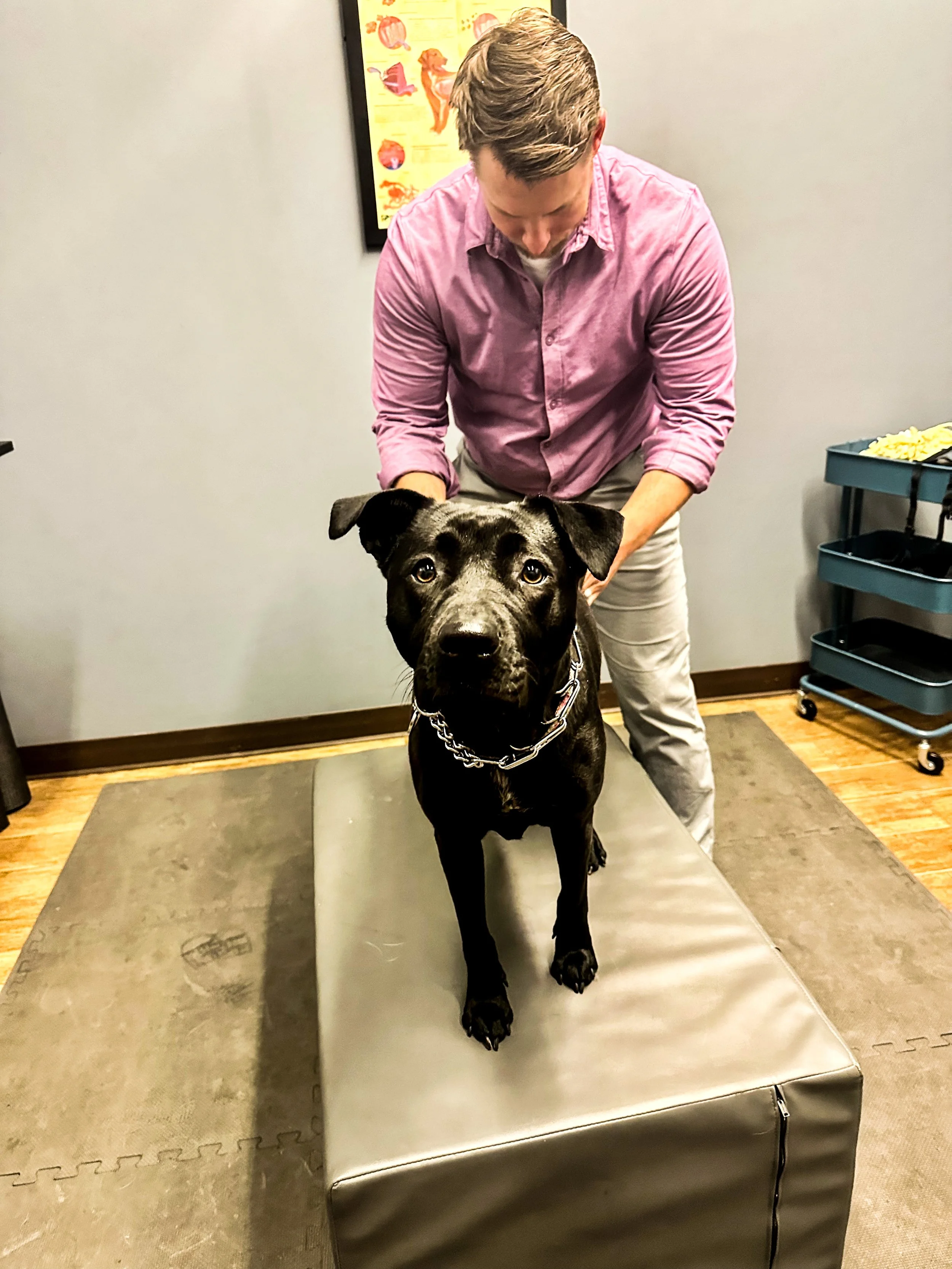
Animal Chiropractic is a safe, holistic approach to healthcare. It focuses on restoring and preserving spinal alignment and mobility to ensure proper communication between the brain and body. Correction of structural shifts in the spine has been found to reduce pain and inflammation, improve flexibility, restore normal function, and increase overall quality of life.
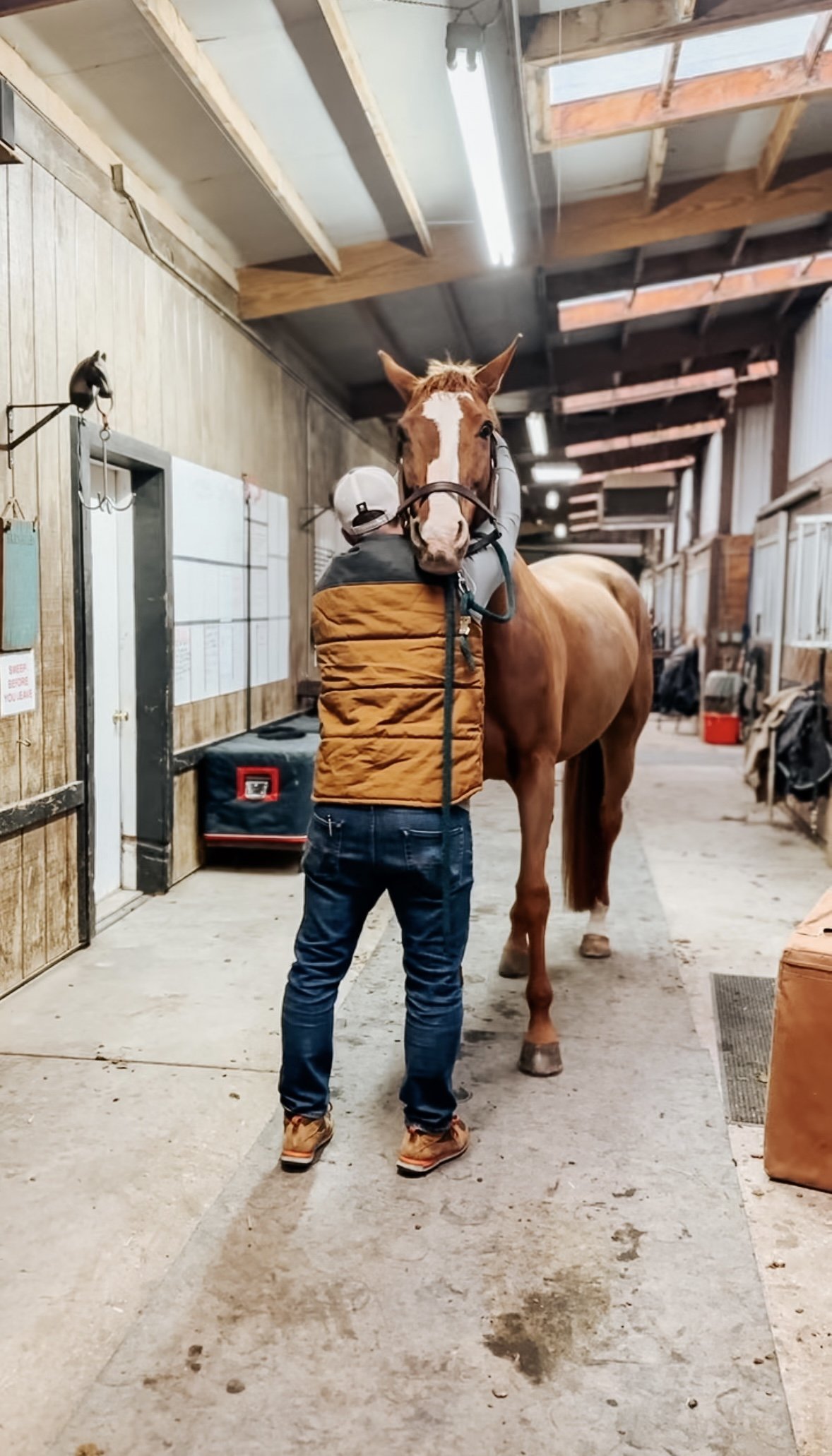

What animals Does Dr. Byron see?
Dr. Byron sees canines and equines! Yes, horses and dogs. All canines are seen in the office and horses are seen at their barn.

Does my animal need chiropractic?
Animal chiropractic can be beneficial for anything from prevention and general wellness to athletic performance.
Signs your animal may need to be adjusted:
Reduced performance or work
Shortened stride length
Intestinal dysfunction
Limping
Lameness
Difficulty standing
Decrease desire to play
Reduced appetite
Difficulty jumping
Muscle spasms
Bulging discs
Many more!!
What happens after an adjustment?
When treated by an experienced, trained professional, adjustments are considered to be safe and effective. Most animals receive both the exam and treatment on the first visit. In cases of acute or extreme pain, Dr. Byron will often delay the first adjustment to ensure your animal can tolerate the visit and be as comfortable as possible.
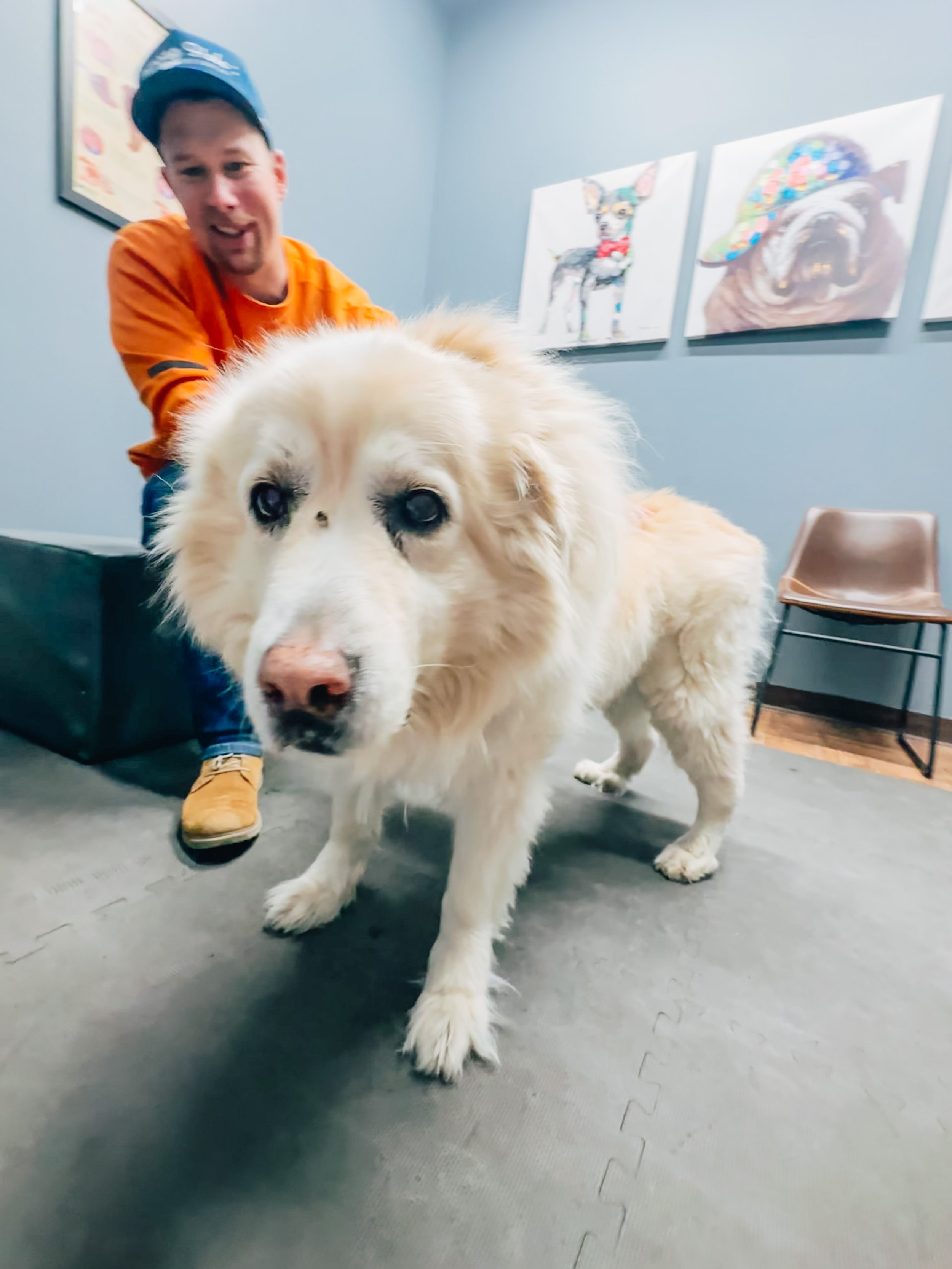
After an adjustment, many animals show immediate improvement. In some cases, there is a 24-48 hour period of tiredness and soreness. In older dogs. you may see a puppy-like burst of energy in the 24-48 hour period after an adjustment. These behaviors are all normal!
Some animals require a few sessions to resolve acute pain. Chronic health problems may require more frequent visits to re-establish optimal function of the spinal health and nervous system.
-
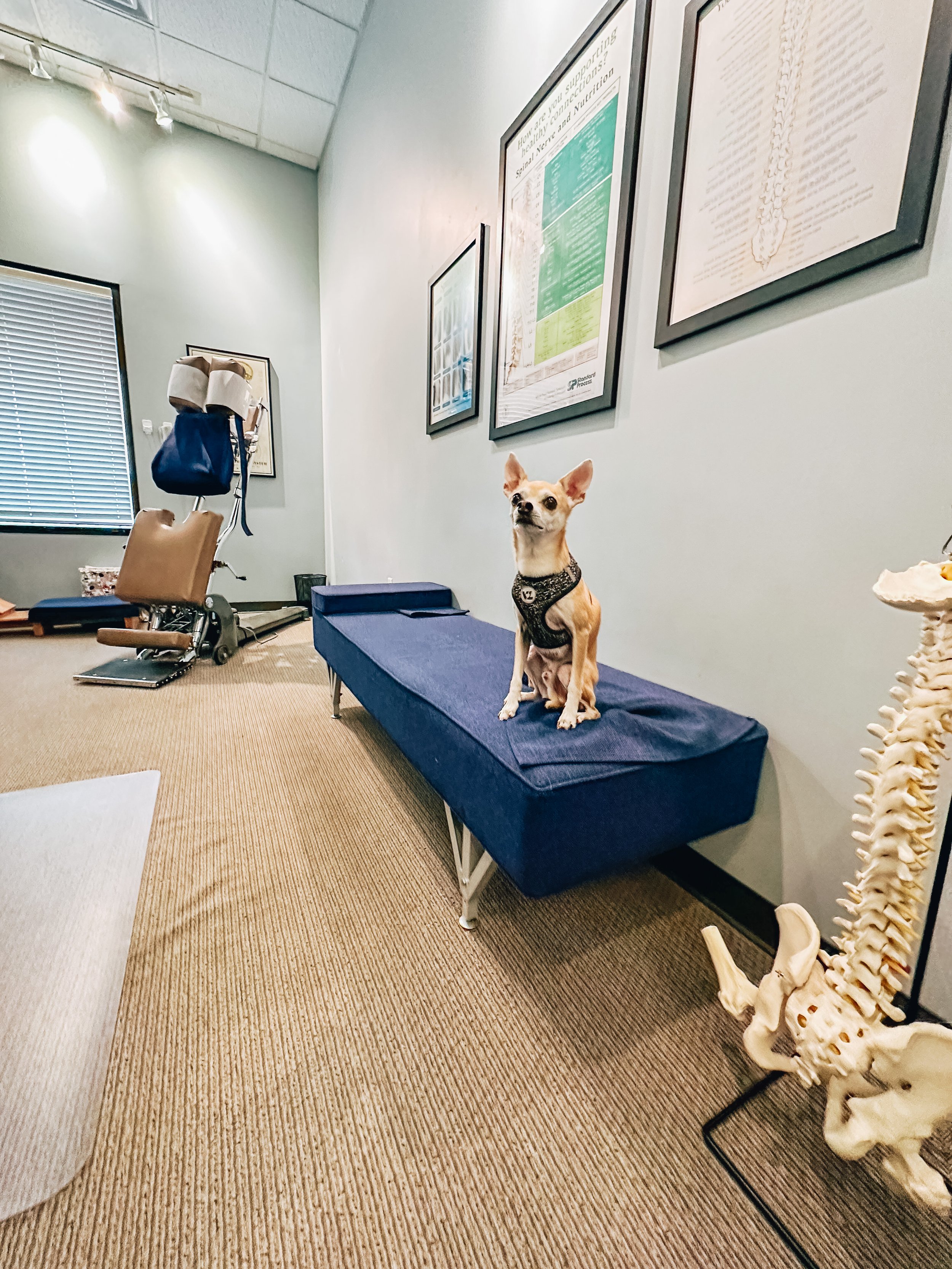
Prevention! Many people choose to get their puppy checked because the preservation of health is easier than the cure of disease. By getting adjusted while puppies are growing, we may be able to prevent pain and degeneration throughout the aging process.
-
While this answer depends on the reason for the initial visit, usually dogs and horses are seen less frequently than humans. In an acute care, where your animal is in pain, we may see your dog once a week for 1-3 weeks then quickly decrease the number of visits to every other week and then monthly. Our goal is to decrease visits as fast as possible to ensure your animal is living to its peak potential.
-
Not at all. When performed by a trained and experienced professional, the adjustment will be gentle and quick. Depending on how acute the complaint is, there may be signs of tenderness that will reduce with time and treatment.